
The International Cooperative Alliance (ICA) last month officially launched the Cooperative Cultural Heritage Platform and the first World Map of historic sites illustrating how cooperation has shaped culture, education and livelihoods across generations.
“Cooperatives are not only enterprises; they are bearers of culture, history and identity,” ICA President Ariel Guarco said in a press release. “With this global map, we celebrate cooperation as humanity’s shared heritage, linking people and communities through solidarity and self-help.”
The inaugural 2025 edition highlights 31 heritage sites in 25 countries across all regions, from the birthplace of European cooperation in Rochdale (UK) and the Monumento ao Cooperativismo in Nova Petrópolis (Brazil) to the Amul Dairy Cooperative and Verghese Kurien Museum (India), the Federation of Southern Cooperatives (U.S.), Moshi Co-operative University (Tanzania) and the ILO Cooperative, Social and Solidarity Economy Unit (Switzerland). The map was built together with ICA Members the Organisation of Brazilian Cooperatives (OCB) and the National Cooperative Development Corporation (NCDC) of India, through close collaboration with the ICA Global Office.
Included in the inaugural list are three sites in the U.S., including the Adamant Food Co-op in Adamant, Vermont, founded in 1935 and the nation’s oldest continuously operating consumer grocery cooperative; America’s Credit Union Museum in Manchester, New Hampshire, on the site of the nation’s first credit union; and the Federation of Southern Cooperatives/Land Assistance Fund‘s Rural Training & Research Center in Epes, Alabama.

 Adamant Food Co-op
The oldest continuously operating food co-op in the U.S.
During the Depression, a local pastor gathered a group of neighbors to discuss starting a food cooperative to buy groceries and create a market for local produce. In August of 1935, 11 families each contributed $5 to provide working capital, and the Adamant Food Cooperative was incorporated.
“Nestled in a small village seven miles north of the state capital of Montpelier, Vermont, the Adamant Food Cooperative has been nourishing community since 1935,” the co-op’s Board of Directors said in a statement. “As we enter our 10th decade, we reflect on the eleven pioneering founding families of the co-op and their contributions to the then-burgeoning cooperative movement. Turning hardship and despair into hope and collaboration, these families created an institution that today is deeply honored to join the 30 other heritage sites around the world on the Cooperative Cultural Heritage List and World Map. Together with these other sites, the Adamant Co-op celebrates and upholds cooperativism in everyday life, as well as the broader missions of sustainability, democratic process and community resiliency.”
Indeed, many early leaders of the co-op were active in the wider movement in the region, forming study groups on the cooperative business model and actively applying it across the economy. One result was the founding in 1939 of the Washington Electric Co-op to bring power to rural Vermont. Just a few years later in 1942, food co-op members also formed the Adamant Credit Union, the first financial cooperative to be chartered under new state credit union legislation.
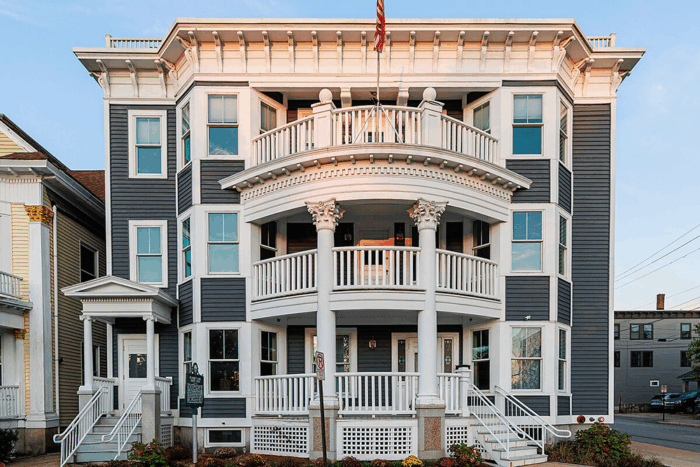 America’s Credit Union Museum
A historic home with a living legacy
America’s Credit Union Museum is located in Manchester, New Hampshire, on the site of the first credit union founded in the United States. The museum is housed at the original location for St. Mary’s Cooperative Credit Association, founded in 1908.
“We are deeply honored that America’s Credit Union Museum has been included in the inaugural Cooperative Cultural Heritage List ,” Executive Director Stephanie Smith said.
“This recognition affirms the enduring legacy of the credit union movement and the vital role of cooperative values in shaping communities worldwide. As the steward of our movement’s history, the museum is proud to stand alongside fellow co-ops in preserving and celebrating our shared heritage while inspiring future generations to carry this mission forward.”
 Federation of Southern Cooperatives/Land Assistance Fund’s Rural Training & Research Center
A legacy of land, liberation and cooperative power in the American South
The Federation of Southern Cooperatives’ historic, 1,300-acre Rural Training & Research Center in Epes, Alabama features an Agroforestry Center and Youth Forestry Camp, and is home to the Alabama State Association of Co-ops. The center was listed on the Alabama Register of Landmarks and Heritage in 2021 and the National Register of Historic Places in 2023.
“This recognition by the ICA during the Year of Cooperatives underscores the historical and ongoing contributions of Black cooperative enterprise in the American South,” said Cornelius Blanding, Executive Director of the Federation of Southern Cooperatives/Land Assistance Fund.
“Our inclusion in the Cooperative Cultural Heritage List honors the legacy of grassroots community leaders and organizers who developed and sustained the federation for its first half century while amplifying the work we continue to do to secure land, build economic power and create equitable systems rooted in cooperation. We are proud to stand alongside cooperatives worldwide that are advancing justice through collective action.”
A global launch
Unveiled during a ceremony at the Itamaraty Palace in Brasília, the Cooperative Cultural Heritage website marks a historic step in safeguarding and celebrating the cooperative movement’s living cultural legacy.
The launch also marks the beginning of a global nomination process through which cooperatives, federations and communities worldwide can propose sites, institutions and living traditions that reflect the cooperative movement’s shared identity. This process will be guided by clear international criteria defined in the new Charter on the Recognition of Cooperative Cultural Heritage Sites. These standards ensure that each recognized site demonstrates authenticity, community participation, inclusivity, sustainability and a continuing cooperative mission.
Explore the map Nominate a new site