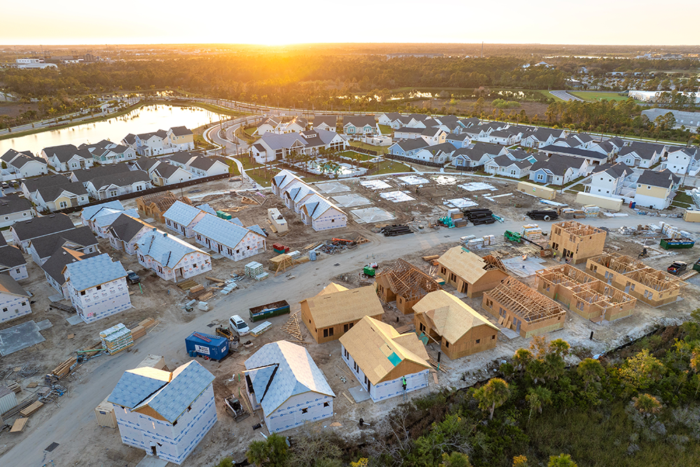
On Friday, July 10 the 21st Century ROAD to Housing Act was enacted into law following final House passage of the bill. The bipartisan legislation includes key cooperative housing provisions, delivering a significant victory for housing co-ops, resident-owned communities and community land trusts.
The largest piece of housing legislation in decades, the 21st Century Road to Housing Act solidifies one of lawmakers’ top priorities: to make homeownership affordable for Americans.
The bill includes provisions that would:
- Reform U.S. Department of Housing and Development (HUD) housing counseling and financial literacy programs
- Create a HUD pilot program to support state, local and tribal whole-home repair programs
- Establish a new Innovation Fund to encourage local and tribal housing-supply reforms
- Create a RESIDE pilot program to support the conversion of vacant commercial and industrial properties into affordable housing
The bill also includes several additional wins for cooperative and shared-equity housing advocates, including provisions that would:
- Include a cooperative housing developer on a new federal task force focused on state and local zoning frameworks to better support affordable housing production.
- Reauthorize the Preservation and Reinvestment Initiative for Community Enhancement (PRICE) grant program for seven years to support the repair, preservation and improvement of manufactured homes and manufactured housing communities.
- Reauthorize and reform the HOME Investment Partnerships Program, including changes intended to expand eligible uses and provide greater flexibility for affordable housing production and preservation.
- Create new technical assistance and preservation tools for USDA rural housing programs, including support for multifamily housing preservation and potential conversions of USDA-funded properties.
Together, these provisions represent meaningful progress for housing cooperatives, resident-owned communities and community land trusts at a time when communities across the country are seeking durable, community-centered responses to the affordable housing crisis.
Together, these provisions represent meaningful progress for housing cooperatives, resident-owned communities and community land trusts at a time when communities across the country are seeking durable, community-centered responses to the affordable housing crisis.
NCBA and its partners will continue working with policymakers and agency staff to support strong implementation and ensure its programs and funds become accessible.