
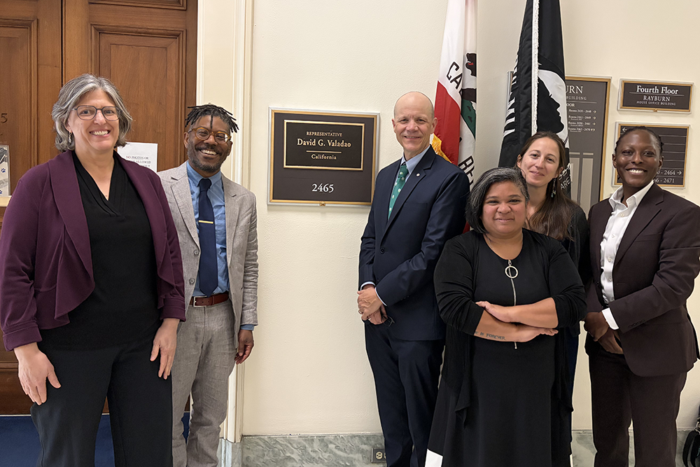
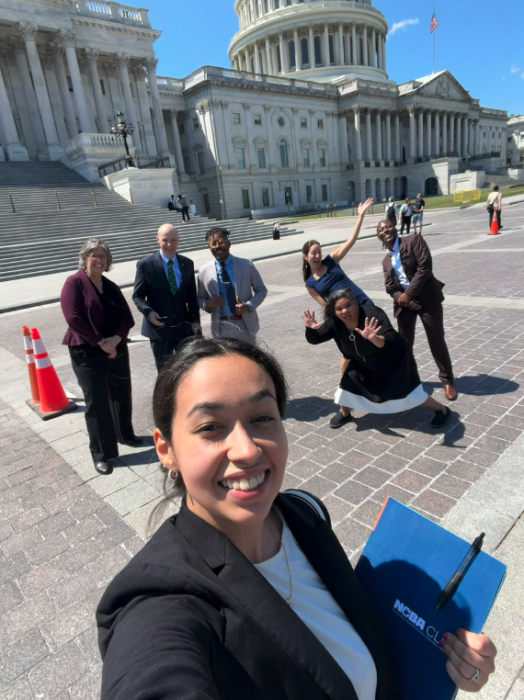
As Congress continues work on the FY2027 appropriations process, members of NCBA CLUSA’s Board of Directors and staff met with key congressional offices to reinforce the value of cooperatives and the federal programs that help them grow.
Meetings were held with leadership of the House Appropriations Committee, members of the House Small Business Committee and the House Agriculture Committee, and leadership of the Senate Agriculture Committee.
These conversations focused on the shared co-op priorities in the appropriations process and the importance of maintaining federal investments that support cooperative development, access to capital through SBA programs, employee ownership and international cooperative development.
For cooperatives, these meetings matter because appropriations decisions shape whether the programs co-ops rely on will continue to be available in the year ahead. Annual funding decisions help determine the resources available to start new cooperatives, expand existing businesses, support worker ownership conversions, strengthen rural economies and ensure co-ops can meet the needs of their members and communities.


FY2027 Co-op Priorities
Key asks in the FY27 Appropriations cycle include:
Rural Cooperative Development Grant Program: $8 million
Since its creation more than 20 years ago, RCDG has been instrumental in developing over 1,000 rural co-op businesses and creating and preserving 15,000 jobs by allowing cooperative development centers nationwide to provide specialized technical assistance to cooperatives.
Socially Disadvantaged Groups Grant: $3 million
This program is designed to provide technical assistance to socially disadvantaged groups through cooperatives and cooperative development centers. These grants must be used to provide technical assistance to socially disadvantaged groups in rural areas.
Department of Labor Employee Ownership Initiative: $7 million
These technical assistance grants help establish and expand employee ownership programs, supporting co-op conversions and other shared-ownership pathways that help keep businesses local as owners retire.
Cooperative Development Program: $18.5 million
The Cooperative Development Program (CDP) expands the reach of U.S.-based cooperative development implementors overseas, where co-ops can help build resilience, wealth and financial security in local communities.
Community Development Financial Institutions Fund: $324 million
The Community Development Financial Institutions (CDFI) Fund expands access to capital in underserved rural and urban communities. Because co-ops struggle to meet the lending requirements of the SBA’s programs, the CDFI Fund offers a funding mechanism that helps finance cooperative startups, expansions and member-serving needs.
Keeping Co-op Priorities Top of Mind
The meetings reinforced why members of Congress need to hear directly from cooperatives when considering policy. Co-op leaders bring real, lived experiences, showing how cooperative development, access to capital and employee ownership create a lasting impact in communities across the U.S.
These conversations help members of Congress and their staff move past abstract policy concepts and help them understand how these federal programs translate directly into stronger local economies. As Congressional offices work to identify funding priorities, it is important that they hear directly from cooperative leaders about how federal programs support your businesses, workers, producers and communities.
As the FY2027 appropriations process moves forward, NCBA will continue to advocate for key co-op programs and encourages members to reach out to Congress as well. Maintaining that presence on Capitol Hill is essential to making sure co-op priorities remain visible as federal funding decisions take shape.
For more information on funding for cooperatives in the FY26 appropriations, click here.